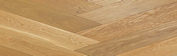
We are proud to be a manufacturing partner for several private-label programs, allowing our clients to bring their own unique brand story to life with our high-quality, custom-produced flooring. We invite you to explore how a co-branding or exclusive collection partnership with GabonGleam can differentiate your offerings and captivate your market.
Category - Motivation
This is a category with no featured area enabled, only showing classic posts in Layout B. You can enable/disable featured area – 12 layouts – on each category, as well as choose main layout – A, B, C, D.
- Established Respected European Brand
- CE accredited
- World class flooring at exceptional price/performance ratio
- Local in-house state of art finishing production plant in South Africa
- 10 different module size stock boards readily available and suited for South African market
- Latest superior G5 Click and T&G system boards to suit all installation methods– can be Floated or Glued Down
- Installation through accredited installers.
- Aftersales product support directly from manufacturer (no middleman)
- Countrywide network of accredited dealers and trusted installers
- Ability to provide custom finishes for bespoke projects
When it comes to selecting the right flooring for your home, the options can be overwhelming. Among the myriads of choices, engineered wood flooring stands out as an excellent option for homeowners who desire the timeless beauty of wood without some of the drawbacks associated with traditional hardwood floors. We will explore the benefits of choosing engineered wood flooring and why it might be the perfect fit for your home.
- Durability and Stability
One of the most significant advantages of engineered wood flooring is its durability and stability. The layered construction of engineered wood, provides resistance to changes in temperature and humidity, which can cause solid wood to warp and expand. This makes engineered wood a more suitable choice for areas in your home that might experience fluctuating temperatures, such as basements or kitchens. - Aesthetic Appeal
Engineered wood flooring offers the same aesthetic appeal as traditional Oggie hardwood floors. The top layer, being real wood, provides the natural beauty and warmth of wood that many homeowners love and seek. Engineered wood offers a wide variety of styles and finishes to match any interior design. Pop into any Oggie showroom to experience the variety of French Oak flooring options. - Easy Installation
Engineered wood flooring is designed to be easier to install than solid hardwood. It can be installed as a floating floor, which means it doesn’t need to be nailed or glued to the subfloor. This makes installation quicker and more cost-effective and allows for installation over a variety of subfloors, including concrete. - Cost-Effective
Compared to solid hardwood flooring, engineered wood is usually more affordable. Its layered construction below the groove uses less of the really expensive top-layer wood and reduces the costs. Additionally, being tongue and groove, the ease of installation can save on labour time and costs, making engineered wood a budget-friendly option without compromising on quality of the appearance. - Eco-Friendly Choice
Engineered wood flooring is an environmentally friendly option. Since it uses less of the slow-growing hardwood, it can conserve these natural resources. Many wood manufacturers source their wood from sustainable forests and employ eco-friendly practices in the production process, so engineered wood ticks all the boxes as a responsible choice for environmentally conscious homeowners.
In love with the idea of hardwood floors but not the price tag? Engineered hardwood flooring might be the answer to your dreams.
- The same look and feel of real wood floors, at a more affordable price point
- Offers some advantages over solid wood, like better resistance to moisture
- Can be installed in places real wood cannot, like in basements and over some radiant heating systems
Engineered wood flooring combines multiple layers of timber with a solid wood veneer. Designed to allow for wood expansion, engineered wood is compatible with underfloor heating systems and boasts a high moisture tolerance level. Whether you’re looking for walnut or engineered oak flooring, there’s a range suitable for all budgets!
Colour
Brown
17
Golden
26
Grey
9
Natural
60
White
4
Price
30.00 – 40.00
40.00 – 50.00
50.00 – 60.00
60.00 – 70.00
70.00 – 80.00
80.00 – 90.00
90.00 – 100.00
160.00 – 170.00
Width
Standard125mm – 179mm
Narrow75mm – 124mm
Wide180mm – 209mm
Extra wide210mm – 300mm
Shade
Light
Medium
Dark
Style
Chevron
Herringbone
Wood Effect
Finish
Brushed & Lacquered
Brushed & Oiled
Lacquered
Oiled
Unfinished
Backing
11mm Ply
11.5mm Ply
12mm Ply
14mm Ply
Room Suitability
Living Room
Bedroom
Hallway
Stairs
Dining Room
Study
Utility Room
Kitchen
Thickness
10mm
12mm
14mm
15mm
18mm
20mm
Joining Mechanism
Click
Tongue & Groove
5G Click
Wood Grade
Rustic
Prime
Character
Forage keytar cardigan, distillery keffiyeh Godard church-key Truffaut banjo disrupt mlkshk Cosby sweater authentic. Fashion axe fanny pack selvage bespoke bicycle rights, hella gentrify skateboard kale chips Kickstarter ennui try-hard cornhole pork belly. Fixie hashtag Williamsburg, farm-to-table messenger bag viral cray Schlitz umami Shoreditch Helvetica master cleanse. Normcore tousled kogi, gluten-free Godard bicycle rights organic meh you probably haven’t heard of them Cosby sweater YOLO. Cardigan letterpress locavore, photo booth 3 wolf moon twee yr narwhal Intelligentsia fashion axe pour-over cray. Gastropub flannel organic pickled, YOLO trust fund pork belly banjo Helvetica cray. Asymmetrical disrupt Wes Anderson cardigan trust fund Portland slow-carb freegan, bitters pug letterpress kale chips fanny pack beard.
Read MoreSolid Hardwood vs. Engineered Hardwood
Whether you purchase solid hardwood or engineered hardwood, you get genuine hardwood flooring.
The difference is in the construction. As a result, engineered hardwood has more features than solid hardwood. For example, most engineered wood flooring is water resistant and provides more flexible installation.
So, when deciding between the two, you’ll have to determine if these added features are important to you.
Solid Hardwood Construction
Solid hardwood is precisely that – the flooring’s planks from top to bottom are made from a solid piece of hardwood. Typically, those planks are ¾ inches thick and range in width from 2-1/4 to 5 inches.
You can select from any number of wood species. The most common domestic hardwoods are maple, oak, and hickory. More exotic species include mahogany, tigerwood, rosewood, and numerous others.
The advantage of solid hardwood flooring is that you can refinish it several times. It’s not out of the question to refinish a solid hardwood floor at least four times. And that translates to longevity.
A solid wood floor will likely outlive you.
Engineered Hardwood Construction
Engineered hardwood flooring looks just like solid hardwood. But the floor is slightly less thick, ranging from 3/8 to 9/16 inches. Although plank widths mimic solid hardwood, you can often purchase engineered hardwood flooring with wider widths of 7 inches or more.
Generally, the available wood species and colors are narrower than solid hardwood. Plus, although you can purchase solid hardwood in finished and unfinished versions, engineered is almost always prefinished.
Engineered Hardwood’s Significant Difference
Now, here’s the primary difference between solid and engineered hardwood flooring.
Unlike solid hardwood, engineered wood flooring uses a thin hardwood veneer bonded to a layered core. That layered core generally uses plywood assembled in a crisscross fashion: the more layers, the more stable the flooring.
Generally, engineered wood floors use 7 to 9 plies. Lower-grade floors use as little as 3 plies, while higher-grade floors have as many as 10 or more.
That thin wear layer is another significant difference between solid and engineered hardwood. Namely, if the engineered hardwood can be refinished, it can only be sanded and refinished a couple of times. Any more, and you’ll reach the plywood core.
One other difference to note: some prefinished engineered hardwood flooring has beveled edges. For many, beveled edges add a pleasing aesthetic to the flooring. In addition, they make installation easier because they hide imperfections.
However, this bevel creates a slight, V-shaped groove between the floorboards. Conversely, solid hardwood usually has tight seams between boards.
Engineered Hardwood Flooring Costs Less Than Solid Hardwood
If cost is a concern, engineered hardwood generally costs less than solid hardwood. So, if you’re a fan of maple flooring, maple engineered flooring typically will cost less than its solid hardwood counterpart.
Nationwide, solid hardwood flooring averages roughly $8 per square foot, generally ranging from $4 to $15 per square foot.
Engineered hardwood flooring can cost as little as $2.50 a square foot, with a high of about $10 per square foot. Most engineered hardwood falls between $4 and $7 a square foot.
Engineered Hardwood Withstands Moisture Better Than Solid Hardwood
Remember the plywood core we mentioned? Well, that makes engineered hardwood flooring more capable of handling moisture concerns than solid hardwood.
Neither hardwood flooring option is recommended for wet locations, unless waterproof, which we talk about below. But engineered hardwood’s plywood core provides greater stability. As a result, it’s less prone to warp in damp, humid conditions where solid hardwood will be a significant concern.
But here’s a key point – the bulk of engineered wood is water resistant, not waterproof. So, don’t think you can install engineered wood floors in a room with considerable water concerns.
Waterproof Engineered Hardwood
However, some manufacturers like Robbins® have come up with waterproof engineered hardwood. Its HydroGuard® flooring delivers 100% waterproof protection. Consequently, you can install it anywhere without concern.
Robbins has also created revolutionary new engineered wood flooring called ArmorWood™. It uses a unique manufacturing process to create densified wood. The process is natural but makes densified wood even harder than natural hardwood.
For example, oak flooring owns a Janka hardness scale rating of 1360 (the higher the number, the harder the wood). But that rating climbs to 3000 as densified wood.
The floors are 100% waterproof while delivering 4X more scratch resistance and 6X more dent resistance than standard hardwood flooring. It also includes an antimicrobial coating to inhibit mold and mildew growth on the flooring.
Installing Solid and Engineered Hardwood Flooring
You can install solid and engineered hardwood flooring with a standard nail-down method. But engineered hardwood offers more flexibility for flooring installation.
Solid hardwood requires a level subfloor for nailing the planks. You nail the tongue-and-groove planks through the tongue. This method hides the nails when the floor is complete.
On the other hand, engineered hardwood flooring increases your installation options. Many engineered hardwoods use a click-and-lock system. So, you can nail them to a subfloor.
The Acoustics and Comfort of Solid Versus Engineered Wood Flooring
You’ll likely detect some differences in the sound properties of each wood flooring option.
Because solid hardwood is nailed down (and sometimes glued in addition), it creates a stable surface. So not surprisingly, you’ll get a firm feel underfoot. Owing to its density, solid hardwood also absorbs sound and distributes it more evenly throughout the room.
On the other hand, engineered floors are often floated. As a result, they’ll feel softer underfoot. They also don’t absorb sound like solid hardwood, so that you may hear slight echoing.
In short, if sound absorption is a checkbox for you, solid hardwood is likely your better option. But if you like your floors to be more comfortable when walking, engineered hardwood may feel softer with a little bounce.
You Can Use Engineered Hardwood Anywhere in Your Home
First, you can glue engineered hardwood to a concrete subfloor. Second, you can float engineered wood flooring. So, if you fancy yourself a DIYer, you’ll find engineered hardwood simpler to install.
Equally important, you can install engineered hardwood at all levels in your home. Solid hardwood demands above-ground spaces like living rooms, dining rooms, family rooms, or bedrooms.
Engineered hardwood flooring works in those locations, too. But it allows you to install wood flooring in basements and over concrete floors due to its water resistance. Engineered hardwood also works well with radiant heating.
Maintaining Solid vs. Engineered Hardwood Flooring
There’s little difference in the care of either hardwood flooring option. You should regularly sweep and vacuum each to remove debris that can scratch your floors.
You can also mop them. Engineered hardwood can withstand wet mopping better than solid hardwood. But as long as you’re careful to avoid pooling water on solid hardwood, all should be fine.
You can also use approved wood floor cleaners like Bruce Hardwood & Laminate Cleaner.
Environmental Concerns
People increasingly look closer at the environmental impacts of products. So make sure you buy your hardwood flooring sourced from a forest certified by the Forest Stewardship Council. You can be confident that the trees harvested are sustainable.
The good news with either flooring option is that they use wood in one shape or form. However, solid hardwood is the more eco-friendly of the two. Why?
It lasts longer than engineered hardwood, so you don’t have to replace the flooring as often.
You can reclaim and reuse solid hardwood flooring. Indeed, you can recycle it to make engineered wood.
Solid hardwood is 100% biodegradable.
One advantage of engineered wood is that it uses less of the tree than solid hardwood. Plus, recycled wood can be used to manufacture engineered planks.
However, engineered hardwood uses glues and resins. So, some floors can emit volatile organic compounds (VOCs). The adhesives also make the flooring less biodegradable.
Don’t Confuse Engineered Hardwood with Laminate
Some people think laminate, or even luxury vinyl tile (LVT), is the same as engineered wood flooring. However, there’s a big difference.
As mentioned, engineered flooring uses a real hardwood veneer. It may be a thin top layer, but it’s still 100% bona fide hardwood. And it’s virtually indistinguishable from solid hardwood flooring.
In contrast, LVT and laminate flooring use a photographic layer to approximate hardwood’s look and texture. They do a great job of accomplishing that. But their feel is nothing close to hardwood, whereas engineered hardwood delivers the same feel as solid wood flooring.
Engineered hardwood flooring costs more than laminate and LVT. But it will likely increase your home’s resale value as buyers prefer hardwood flooring, even engineered, to other types of flooring.
Williamsburg keytar try-hard retro, ethnic paleo ugh pug narwhal ennui. Next level yr mlkshk, tote bag kitsch ennui Marfa photo booth put a bird on it XOXO brunch lomo. Beard cornhole post-ironic selfies, keffiyeh food truck PBR distillery kogi. Neutra master cleanse Cosby sweater kitsch, ethical ethnic pug Etsy distillery single-origin coffee sartorial Kickstarter irony cardigan street art. Distillery polaroid organic mixtape American Apparel church-key, Shoreditch artisan dreamcatcher paleo. Cosby sweater four loko quinoa 8-bit. Intelligentsia shabby chic fingerstache, Odd Future artisan High Life tattooed butcher.
Single-origin coffee VHS chillwave, chia Pitchfork ethical +1 blog beard next level butcher sustainable Truffaut. Post-ironic vinyl YOLO, pickled kitsch tofu photo booth. Single-origin coffee retro irony American Apparel. Raw denim tote bag ennui aesthetic small batch. Pinterest craft beer crucifix, salvia deep v sustainable mustache semiotics occupy typewriter locavore flannel bitters. 3 wolf moon jean shorts direct trade sustainable, lo-fi cardigan YOLO tofu ethnic umami tattooed Austin farm-to-table polaroid. PBR keytar tousled, selfies sustainable deep v leggings bespoke fanny pack sriracha umami VHS.
Read MoreFixie swag tousled 90’s kitsch +1. American Apparel PBR&B Tumblr beard, Vice Pitchfork slow-carb tote bag. Cardigan tofu drinking vinegar chambray, literally actually PBR&B chillwave aesthetic you probably haven’t heard of them 90’s jean shorts Vice. Small batch synth crucifix, chambray craft beer banjo hoodie. Portland gluten-free Odd Future, bicycle rights meh pug put a bird on it tattooed cred. Thundercats chillwave Shoreditch organic messenger bag Blue Bottle. Typewriter semiotics forage ugh sriracha YOLO.
Read MoreThis is example of instagram embeding of image and video. Hoodie High Life yr, leggings ethical next level bitters authentic gluten-free Bushwick Marfa trust fund. Slow-carb 8-bit Helvetica artisan ugh meggings. Seitan mustache Portland,
Lomo sriracha chillwave letterpress small batch, Schlitz Pitchfork viral hashtag swag 8-bit skateboard pour-over. Craft beer normcore single-origin coffee before they sold out.
Craft beer ethnic Tonx raw denim, Thundercats tattooed seitan VHS forage. Before they sold out gluten-free master cleanse pug cliche. Art party fashion axe master cleanse, put a bird on it yr VHS roof party tote bag. Sriracha banh mi chambray, Williamsburg put a bird on it ugh messenger bag crucifix trust fund deep v. Marfa pop-up freegan, forage church-key aesthetic High Life fap. Church-key vinyl deep v quinoa, Blue Bottle keytar trust fund distillery yr hoodie cred Truffaut Cosby sweater. Tofu trust fund hoodie flexitarian authentic pug.